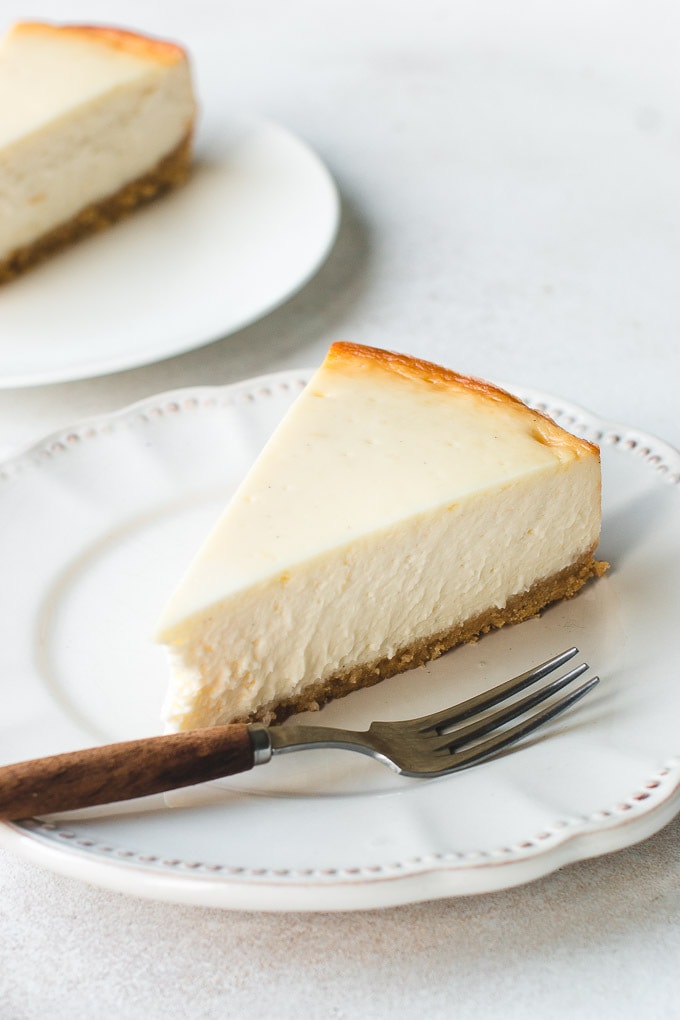
Unlock the Secret to the World's Best New York Cheesecake
If you've ever dreamt of sinking your teeth into a slice of cheesecake that's so dense, so rich, and so incredibly creamy it melts in your mouth, then you've come to the right place. We're talking about the legendary **New York cheesecake** – a dessert that holds a special place in the hearts of connoisseurs and home bakers alike. This isn't just any cheesecake; it's the ultimate expression of the dessert, boasting a satiny smooth texture and a deeply decadent flavor that truly sets it apart. And here's the best part: achieving this perfection is easier than you think, with a foolproof method that requires absolutely no cumbersome water bath!
Many aspire to create that iconic, tall, and flat-topped **New York style cheesecake**, but fear the common pitfalls of cracks or a less-than-velvety texture. Worry no more! Our guide will walk you through the nuances of crafting a **creamy New York cheesecake** that rivals the finest bakeries, ensuring every bite is a testament to its legendary status. Prepare to impress yourself and everyone lucky enough to share in this culinary masterpiece.
What Sets New York Cheesecake Apart from the Rest?
While all cheesecakes share a creamy core, the **New York cheesecake** distinguishes itself through specific ingredients and techniques that create its signature profile. It’s known for its incredibly rich, dense, and satiny texture – a stark contrast to lighter, airier varieties.
The key differences lie in its composition:
- Extra Egg Yolks: Unlike standard cheesecake recipes that might just use whole eggs, **New York style cheesecake** incorporates additional egg yolks. This small but significant addition is crucial for imparting that unparalleled richness and a deeper, more golden hue to the filling.
- Cornstarch: This ingredient acts as a stabilizer, contributing to the cheesecake's dense yet incredibly smooth consistency. It helps prevent cracking and ensures the filling sets beautifully without becoming rubbery.
- Dairy Choices: While all cheesecakes feature cream cheese, the **New York cheesecake** often uses heavy cream, or sometimes sour cream, alongside it. Heavy cream lends an unctuous richness, while sour cream can introduce a subtle tang that balances the sweetness. For truly indulgent results, many purists, ourselves included, lean towards heavy cream for its superior richness and unparalleled velvety finish.
- Tall and Flat-Topped: A hallmark of the **New York cheesecake** is its impressive height and perfectly flat top, indicating a well-baked and stable structure.
Often, a hint of lemon zest is added to the filling. This isn't just for flavor; the bright citrus note cuts through the richness, providing a delightful freshness that elevates the entire experience without making it taste overtly lemony. It’s a subtle touch that we highly recommend you don't omit.
The baking method itself is also unique. Instead of a water bath, this style often starts at a higher temperature to set the edges, then lowers the heat significantly for a longer, gentler bake. This approach ensures a creamy interior while maintaining that crucial flat top. For more on perfecting this technique, check out our guide on
Easy No-Water-Bath New York Cheesecake: Rich, Creamy Perfection.
Crafting the Irresistibly Rich New York Cheesecake Filling
The heart of any truly great cheesecake lies in its filling, and for a **New York cheesecake**, perfection is found in a harmonious blend of simple yet high-quality ingredients. Here's a deeper dive into the components and crucial preparation tips:
Essential Ingredients for a Flawless Filling:
- Full-Fat Cream Cheese: This is non-negotiable. For that signature dense, rich texture, you need cream cheese with approximately 30% fat content (or close to it). Low-fat cream cheese contains more water and will result in a thinner, less luxurious filling that lacks the characteristic depth of flavor and texture. Stick to the good stuff – it makes all the difference!
- Granulated Sugar: Provides the sweetness, of course, but also contributes to the filling's smooth consistency.
- Eggs and Extra Egg Yolks: As discussed, the additional yolks are key to richness and color.
- Cornstarch: Our secret weapon against cracks and for achieving that desirable satiny texture.
- Lemon Zest: Don't skip this! It brightens the flavor profile, balancing the richness without making the cheesecake taste explicitly lemony.
- Heavy Cream: This provides the ultimate creamy texture and indulgent richness. While some recipes suggest sour cream, heavy cream delivers a consistently smoother and more decadent mouthfeel.
The Golden Rule: Room Temperature Ingredients
This cannot be stressed enough:
all your cold ingredients – cream cheese, eggs, and heavy cream – must be at room temperature. Pull them out of the fridge at least an hour or two before you plan to bake. Why is this so critical?
- Seamless Emulsification: Room temperature ingredients blend together much more easily and smoothly. Cold cream cheese is stiff and difficult to incorporate fully, leading to lumps.
- Lump-Free Texture: When ingredients are at the same temperature, they combine to form a homogeneous, silky-smooth batter, which is essential for that perfect cheesecake texture.
- Prevent Overmixing: Attempting to smooth out cold, lumpy cream cheese often leads to overmixing the batter. Overmixing incorporates too much air, which can cause the cheesecake to puff up excessively in the oven and then collapse and crack as it cools.
Don't Forget the Crust!
While the filling is the star, a sturdy, non-soggy crust is its indispensable foundation. A classic buttery graham cracker crust is traditional for **New York cheesecake**.
- Prebaking is Key: Many cheesecake recipes skip this step, but for a dense **New York cheesecake**, we highly recommend prebaking your crust. A quick 10-15 minute bake before adding the filling prevents it from becoming soggy, ensuring a delightful crisp texture that complements the creamy filling.
Mastering the No-Water-Bath Baking Technique for a Flawless Finish
The thought of a water bath often intimidates home bakers, conjuring images of leaky foil and soggy crusts. Thankfully, you can achieve a perfect **New York cheesecake** – wonderfully creamy with no cracks – using a straightforward, no-water-bath method. The secret lies in precise temperature control and patience. For even more detailed guidance on avoiding cracks, consult
Perfect New York Cheesecake: No Water Bath, No Cracks, Just Creamy!.
The Two-Phase Baking Method:
- Initial High Heat: Begin by baking your cheesecake at a relatively high temperature for the first few minutes. This initial burst of heat helps to set the outer edges of the cheesecake, providing structural integrity.
- Slow, Low Heat Bake: After the initial high-heat phase, reduce the oven temperature significantly. The cheesecake will then bake gently at this lower temperature for the remainder of the cooking time. This slow baking process ensures the interior cooks evenly and becomes incredibly creamy without overbaking or drying out, which are common culprits for cracking.
Crucial Tips for Success During Baking and Cooling:
- Invest in an Oven Thermometer: Your oven's internal thermostat might not be entirely accurate. An independent oven thermometer is an inexpensive tool that provides precise temperature readings, which is vital for this two-phase baking method. Consistent and correct oven temperature is paramount.
- Resist the Urge to Open the Oven Door: Once the cheesecake is in the oven, leave it alone! Opening the door, especially during the baking process, causes sudden temperature fluctuations. This rapid change can lead to the cheesecake collapsing and developing unsightly cracks.
- Know When It's Done: Your cheesecake is perfectly baked when the sides appear firm and slightly puffed, but the very center (about a 2-inch diameter) still has a slight wobble when gently shaken. It will continue to cook slightly and firm up as it cools.
- The Slow-Cooling Method for Crack Prevention: Once the cheesecake is done, turn off the oven, but leave the cheesecake inside. Prop the oven door open slightly (you can use a wooden spoon to keep it ajar). Allow the cheesecake to cool gradually in the cooling oven for at least an hour, or even longer. This gradual decrease in temperature prevents a sudden shock that can cause cracks.
- Complete Cooling and Refrigeration: After its slow oven cool-down, transfer the cheesecake to a wire rack to cool completely to room temperature. Only then should it go into the refrigerator. It needs a minimum of 12 hours – preferably overnight – to fully set and achieve that iconic dense, sliceable consistency. Patience is a virtue, especially when it comes to **New York cheesecake**!
Essential Tips for Your Best New York Cheesecake Yet
Achieving that legendary **New York cheesecake** isn't just about following a recipe; it's about understanding the nuances and applying a few key principles. Here's a concise roundup of the most important advice to ensure your cheesecake is nothing short of perfect:
- Prebake Your Crust: Always prebake your graham cracker crust for about 10-15 minutes. This step creates a barrier against moisture, preventing a soggy base and ensuring a crisp, buttery foundation that stands up to the rich filling.
- Room Temperature Ingredients are Non-Negotiable: Pull out your cream cheese, eggs, and heavy cream well in advance. This ensures a smooth, lump-free batter and prevents overmixing, which can introduce too much air and lead to cracks.
- Scrape Down the Bowl: During mixing, frequently stop and scrape down the sides and bottom of your mixing bowl with a spatula. This guarantees that all ingredients are thoroughly incorporated and prevents pockets of unmixed cream cheese or sugar.
- Do Not Overmix: Mix the filling only until combined and smooth. Overmixing incorporates excessive air, which can cause the cheesecake to rise too much during baking and then collapse and crack as it cools.
- Use Full-Fat Cream Cheese: Opt for cream cheese with around 30% fat content. Low-fat varieties contain more water, which can compromise the texture and richness.
- Don't Open the Oven Door: Once the cheesecake is baking, resist the temptation to peek! Sudden temperature changes are a primary cause of cracks. Trust the process.
- Cool Slowly in the Oven: After baking, turn off the oven and prop the door open slightly. Let the cheesecake cool gradually inside the oven. This gentle transition from hot to warm is crucial for preventing cracks.
- Patience with Refrigeration: The cheesecake needs a minimum of 12 hours in the refrigerator to fully set and develop its signature dense texture. This is arguably the most challenging part, but it's essential!
- Use Lemon Zest: The brightness of lemon zest subtly cuts through the richness, elevating the flavor profile without making it taste lemony. It’s a game-changer!
- An Oven Thermometer is Your Friend: Relying on your oven's dial isn't enough. An inexpensive oven thermometer provides accurate readings, allowing you to control the exact temperatures needed for the two-phase baking method.
- Invest in a Springform Pan: A good quality 9 or 10-inch springform pan is essential for easy removal and showcasing your beautiful cheesecake.
Conclusion
Creating the ultimate **New York cheesecake** is a rewarding culinary journey that results in an iconic dessert truly worth the effort. By understanding the unique characteristics that define this classic – from its extra egg yolks and cornstarch to its two-phase baking method without a water bath – you're well on your way to achieving cheesecake perfection. Remember the golden rules of room temperature ingredients, patient cooling, and the precise baking technique, and you'll be rewarded with a rich, dense, and incredibly creamy masterpiece that will undoubtedly earn rave reviews. So, gather your ingredients, follow these tips, and prepare to unlock the secret to the world's most delicious **new york cheesecake**. Happy baking!