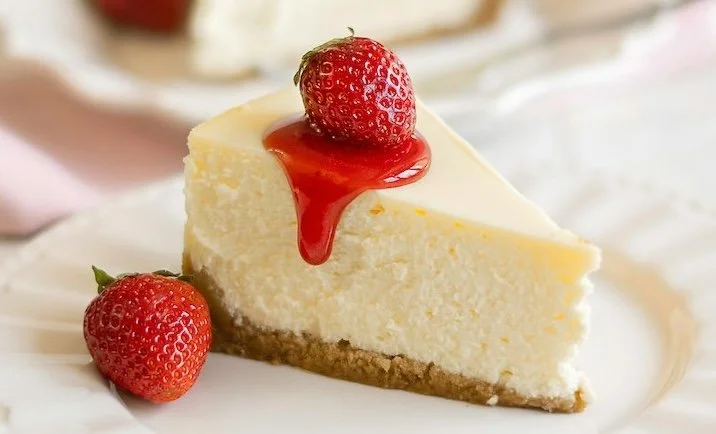
Easy No-Water-Bath New York Cheesecake: Achieve Rich, Creamy Perfection Without the Fuss
Imagine sinking your teeth into a slice of pure decadence: a
rich, creamy New York cheesecake so dense and velvety it melts in your mouth, leaving a lingering sweetness and a hint of bright lemon. For many home bakers, the dream of crafting such a masterpiece is often overshadowed by the intimidating requirement of a water bath – a technique that can be messy, cumbersome, and frankly, a bit of a deterrent. But what if we told you that the secret to achieving this iconic dessert lies in a method that completely bypasses the water bath, making it incredibly easy while still delivering unparalleled results?
This guide will unveil the simple yet ingenious techniques behind making a flawless
New York cheesecake without a water bath. Prepare to bake a cheesecake that’s not just delicious, but truly spectacular – a creamy, amazing New York cheesecake that’s so good, you’ll wonder why you ever bothered with the traditional methods. We’re talking about a dessert that boasts a smooth, satiny texture, a rich, full flavor, and a beautiful, crack-free finish, all with surprising ease.
What Makes a New York Cheesecake Stand Out?
Before we dive into the "how," let's understand the "what." What exactly sets a New York-style cheesecake apart from its countless counterparts? It's more than just a name; it's a commitment to a specific texture and flavor profile.
At its core, a classic
New York cheesecake is defined by its:
- Unrivaled Density and Richness: Unlike lighter, airier cheesecakes, the New York style is known for its substantial, almost custardy density. This comes from a higher proportion of full-fat cream cheese and the strategic addition of extra egg yolks.
- Silky Smooth Texture: The use of cornstarch, alongside eggs and egg yolks, is a key differentiator. Cornstarch acts as a stabilizer, preventing a grainy texture and contributing to that desirable, satiny mouthfeel.
- Signature Ingredients: Beyond the generous amount of cream cheese, this style typically incorporates heavy cream or sour cream for added moisture and richness. While some recipes opt for sour cream for a tangy note, heavy cream offers an even deeper, more luxurious profile, which we lean into for ultimate decadence. Lemon zest is also a crucial, often overlooked, ingredient that provides a bright counterpoint to the richness, preventing the cheesecake from tasting overly heavy.
- Tall and Flat Top: A well-made New York cheesecake should have a perfectly flat, uncracked top, indicative of even baking and proper cooling.
The key here is the quality of ingredients and their thoughtful combination. For that signature rich, dense, and creamy texture, always opt for full-fat cream cheese (around 30% fat). Low-fat alternatives simply won't yield the same luxurious results. Each ingredient plays a vital role in creating the "ultimate" cheesecake experience, making it truly one of the best you'll ever have.
The Game-Changer: Baking Without a Water Bath
The concept of baking a cheesecake without a water bath might seem revolutionary, especially for those accustomed to the traditional method. A water bath is typically employed to provide a moist, even heat environment, preventing cracks and ensuring a creamy interior. However, this no-water-bath technique achieves the same glorious outcome with significantly less hassle.
So, how does it work its magic? The secret lies in a carefully calibrated two-stage baking process:
- Initial High Temperature Blast: The cheesecake is first baked at a relatively high temperature for a short period. This rapid initial heat helps to set the edges quickly and create a sturdy structure around the perimeter of the cake.
- Extended Low-Temperature Cook: Following the initial high-heat phase, the oven temperature is significantly reduced, and the cheesecake continues to bake slowly. This gentle, prolonged cooking ensures the center cooks through without drying out or curdling, promoting that incredibly creamy, smooth consistency.
This method mitigates the risk of cracking by avoiding sudden temperature changes and extreme heat, which can cause the delicate custard to seize and split. Furthermore, the slow cooling process (which we'll detail below) is just as crucial as the baking itself in preventing those dreaded fissures. To truly master this technique, an internal oven thermometer is your best friend, ensuring your oven maintains the precise temperatures needed for perfection.
Essential Tips for Cheesecake Perfection
Achieving that perfect, rich, creamy New York cheesecake without a water bath isn't just about the baking temperatures; it's about paying attention to a few crucial details throughout the preparation process. These tips will elevate your cheesecake from good to absolutely phenomenal.
- Embrace Room Temperature Ingredients: This is arguably the most critical tip. Ensure your cream cheese, eggs, and heavy cream (or sour cream, if using) are all at room temperature. Why? Cold ingredients don't emulsify properly with sugar, leading to a lumpy batter and overmixing. Room temperature ingredients blend seamlessly, creating a smooth, lump-free batter that bakes evenly into a perfectly uniform, silky texture. Pull them out of the fridge at least an hour or two before you plan to start baking.
- Prebake That Crust: Some recipes skip this step, but for a truly outstanding cheesecake, prebaking your graham cracker crust is non-negotiable. It creates a barrier that prevents the crust from becoming soggy, providing a delightful crisp texture that complements the creamy filling. Bake it until lightly golden and let it cool completely before adding the filling.
- Don't Overmix the Batter: Once you add the eggs, mix on low speed just until combined. Overmixing incorporates too much air into the batter, which can cause the cheesecake to puff up excessively during baking and then collapse and crack as it cools. Gentle mixing is key for that dense, creamy finish. Scrape down the sides of the bowl frequently to ensure all ingredients are evenly incorporated.
- Know When It's Done: Resist the urge to open the oven door frequently! The cheesecake is done when the sides appear firm and slightly puffed, but the very center (about a 2-3 inch circle) still has a slight wobble. This wobble is normal; the residual heat will continue to cook the center as it cools. Overbaking leads to a dry, cracked cheesecake.
- The Art of Gradual Cooling: This step is just as vital as the baking itself in preventing cracks. Once your cheesecake is baked to perfection, turn off the oven and prop the oven door open slightly (about 3-4 inches). Leave the cheesecake inside the cooling oven for at least an hour, or even longer, until it has cooled considerably. This gradual decrease in temperature prevents a sudden shock that can cause the cheesecake to crack.
- Patience, Patience, Patience: After cooling on a wire rack to room temperature, your cheesecake still isn't ready. It needs a significant amount of time to chill and set in the refrigerator – at least 12 hours, but preferably overnight. This chilling period allows the flavors to meld and the texture to firm up to that quintessential dense, creamy consistency. Don't rush it; your patience will be richly rewarded.
- Choose Your Cream Wisely: While sour cream adds a delightful tang, heavy cream delivers a richer, more unctuous texture. For the ultimate in decadent creaminess, heavy cream is often preferred, contributing to the signature richness of this particular no-water-bath New York cheesecake.
Crafting Your Dream Cheesecake: A Glimpse into the Process
While a full recipe includes precise measurements, understanding the flow of creating this no-water-bath masterpiece helps demystify the process. It starts with the foundation: a buttery graham cracker crust, pressed firmly into a springform pan and then prebaked until fragrant and golden. This crucial step sets the stage for a perfect base that won't succumb to sogginess.
Next comes the star: the rich, dense filling. Full-fat cream cheese is lovingly combined with sugar until smooth, ensuring no lumps remain. Then, eggs and extra egg yolks are gently incorporated, followed by cornstarch, lemon zest (which provides an essential bright counterpoint to the richness), and finally, heavy cream for that ultimate creamy texture. The key here is gentle mixing to avoid introducing too much air, preserving the cheesecake's characteristic density.
Once the silky batter is poured over the cooled crust, it's off to the oven for its unique two-stage baking journey – a short burst of high heat followed by a longer, gentler bake at a lower temperature. This ingenious method, as discussed, is what eliminates the need for a water bath, ensuring a perfectly cooked, uncracked top and a luscious, creamy interior every time.
The final, often underestimated, stages involve the crucial cooling process: first within the cooling oven with the door slightly ajar, then on a wire rack, and finally, a long, patient chill in the refrigerator. This allows the cheesecake to set completely, develop its full flavor, and achieve that iconic dense, creamy consistency that defines a classic
New York cheesecake.
Conclusion
Creating a truly rich, creamy, and decadent New York cheesecake doesn't have to be an intimidating endeavor. By embracing the brilliant no-water-bath method and adhering to a few simple yet crucial tips, you can achieve a dessert that rivals any professional bakery. Forget the fear of cracks, the fuss of boiling water, and the mess of leaky pans. This approach promises a
perfect New York cheesecake every time – dense, smooth, unbelievably creamy, and bursting with flavor. So, gather your full-fat cream cheese, lemon zest, and a dash of confidence, and prepare to bake the best New York cheesecake you've ever tasted. Your taste buds will thank you for this easy, no-fuss path to dessert nirvana.